
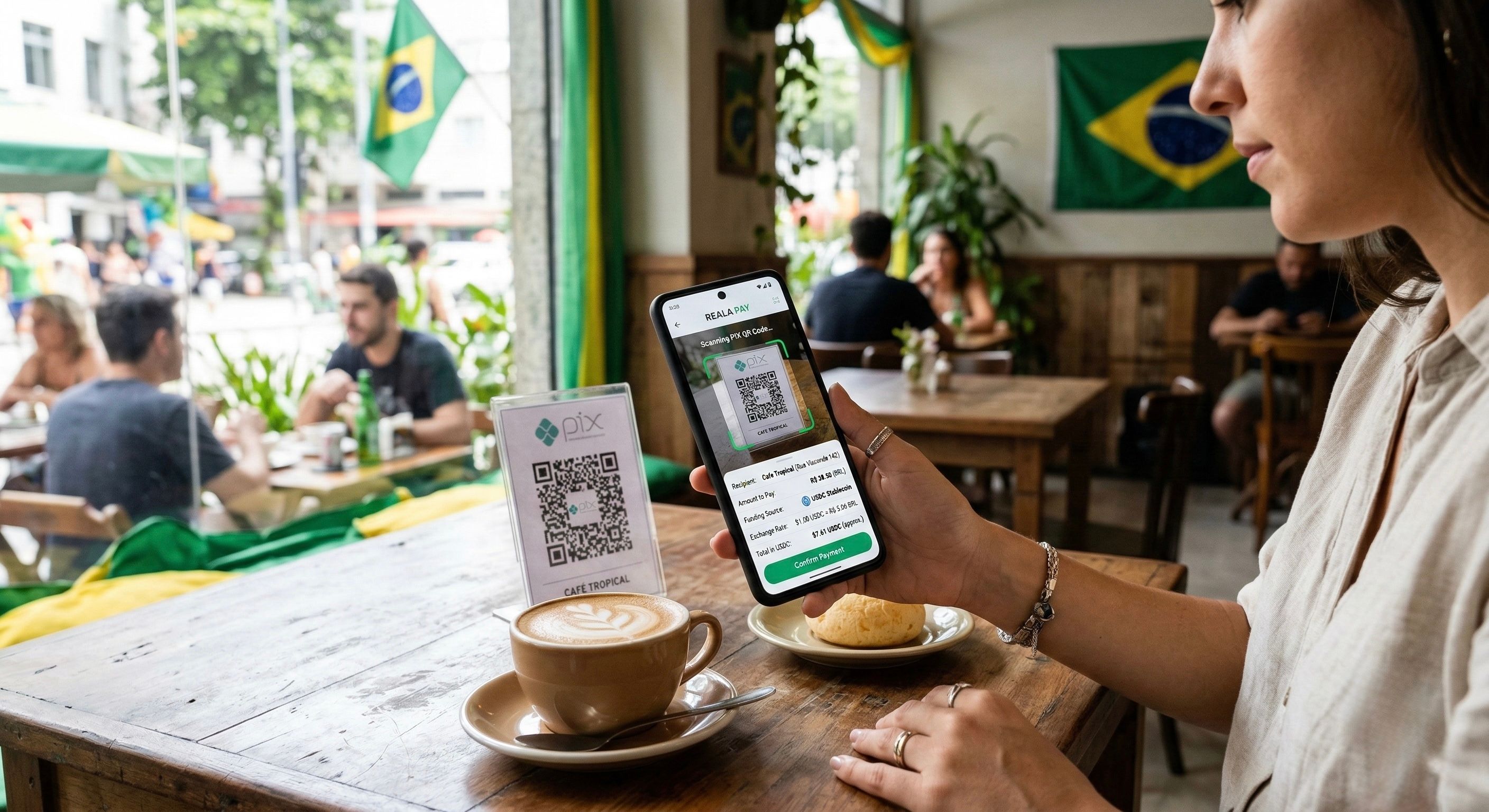
If you spend even a few hours in Brazil, you’ll quickly notice something interesting about how people pay. At restaurants, beach bars, taxis, and even street vendors, instead of handing you a card machine, the merchant simply shows you a QR code and asks one word: “PIX?”
PIX is Brazil’s instant payment system, and it has become the dominant way people pay for things in the country. Launched by the Central Bank of Brazil in 2020, the system allows instant transfers 24 hours a day using QR codes, phone numbers, emails, or simple payment codes. Today, more than 160 million Brazilians use PIX, and many merchants actually prefer it to card payments because the fees are lower and the settlement is immediate.
For locals, using PIX is effortless. They open their banking app, scan the QR code, confirm the payment, and the money arrives instantly. But if you’re visiting Brazil from another country, you quickly run into a frustrating problem: PIX is normally only available to Brazilian residents.
To use PIX traditionally, you need a Brazilian bank account and usually a CPF (Brazilian tax ID). For tourists, digital nomads, remote workers, and international conference attendees, that requirement makes it almost impossible to access the payment system that everyone else uses.
Fortunately, there is now a way around that.
With Decaf Wallet, foreigners can now pay PIX using USDC stablecoins, without needing a Brazilian bank account at all.
With stablecoins and the Decaf Wallet, foreigners can now pay PIX instantly using USDC, without needing a Brazilian bank account.
This guide explains how it works.
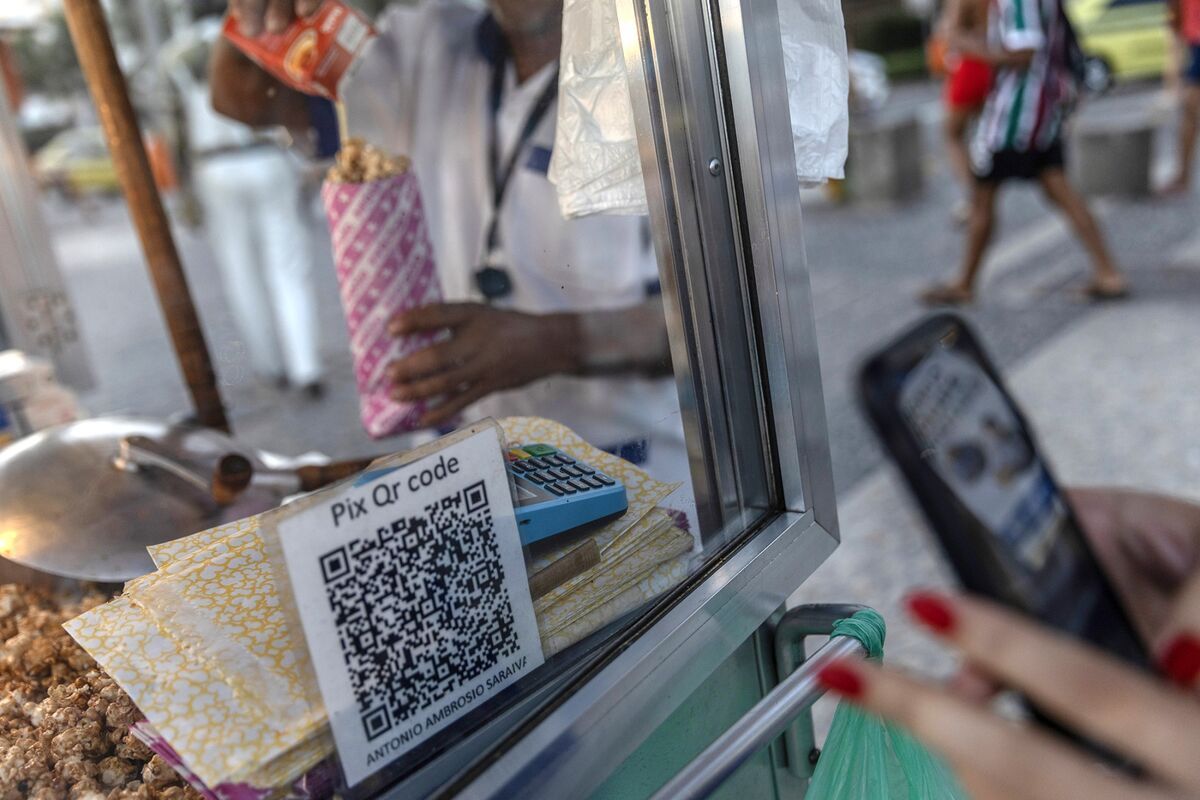
The Moment You Realize Brazil Runs on PIX
Many visitors experience the PIX problem during a small everyday moment. You might be ordering a coffee in São Paulo, buying something at a beach kiosk in Rio, or paying a taxi driver. When the time comes to pay, the merchant points to a printed QR code and waits for the payment notification.
For locals, this takes seconds. But for foreigners, it often leads to confusion. Without a Brazilian banking app, there is no way to scan the code and send the payment. Even if you have an international credit card, many small businesses prefer PIX and sometimes don’t accept cards at all.
For years, this created an awkward gap between Brazil’s modern payment system and international visitors. Stablecoins are now helping close that gap.
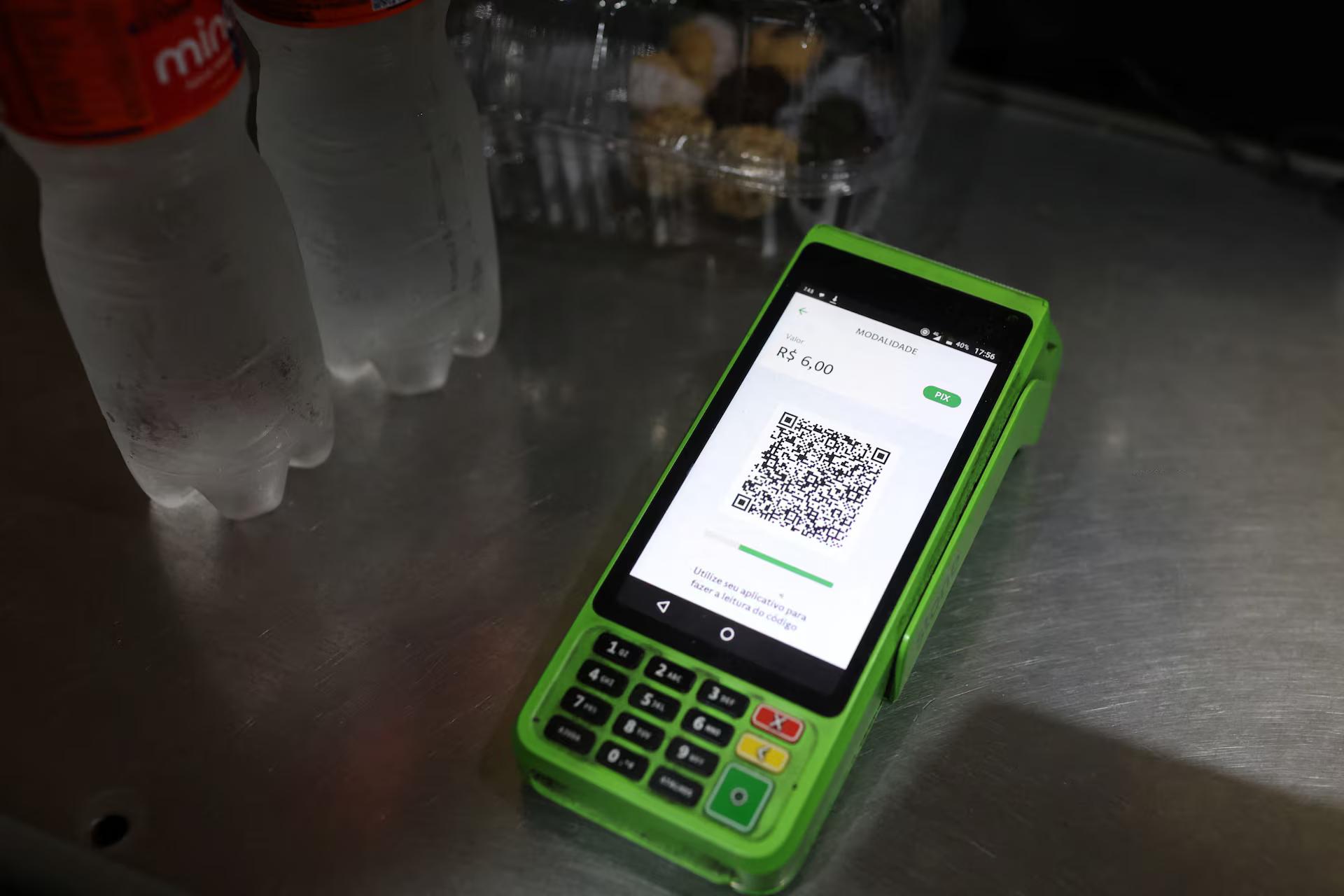
Turning Stablecoins Into PIX Payments
Stablecoins such as USDC allow anyone in the world to hold digital dollars on blockchain networks. These assets move globally within seconds and can be stored in self-custody wallets without relying on traditional banks.
But holding stablecoins is only useful if you can actually spend them in the real world. That’s where the integration between Decaf Wallet and Brazil’s PIX network becomes powerful.
With Decaf, users can simply scan a PIX QR code and pay using USDC. Behind the scenes, the system converts the payment so the merchant receives Brazilian Reais through the PIX network, exactly as if a local bank transfer had been sent. From the merchant’s perspective, nothing changes — they receive a normal PIX payment.
For the user, however, it unlocks the entire Brazilian payment ecosystem.
How to Pay PIX Using Decaf Wallet
Using PIX inside Decaf is designed to feel simple and familiar. Inside the wallet, you open the Send menu and choose Pay with PIX.
From there, you can choose any of the three standard PIX formats. You can enter a PIX key such as a phone number or email, scan a QR code displayed by a merchant, or paste a BR code from an invoice or payment request.
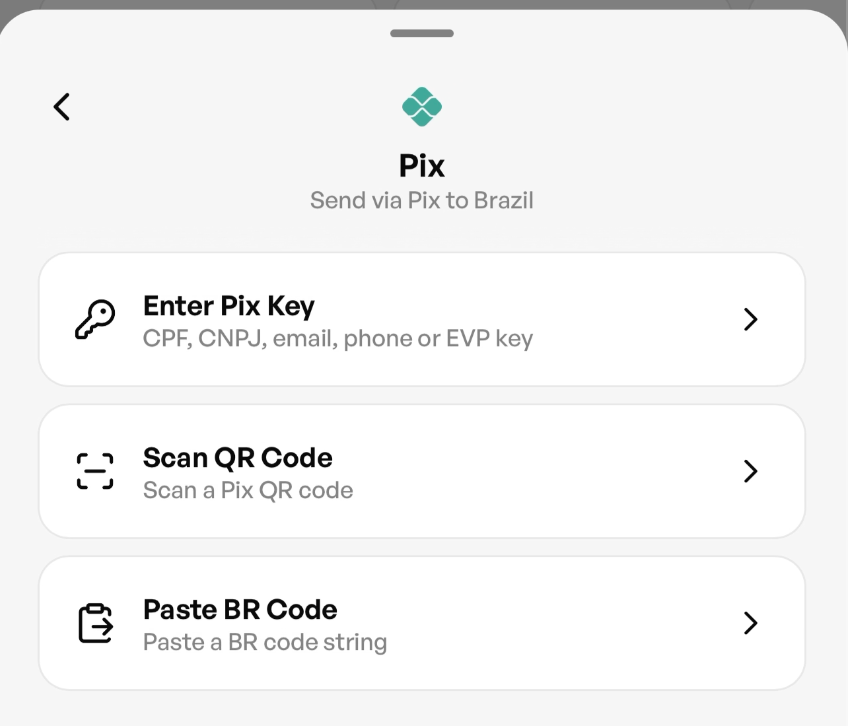
Once the payment information is detected, Decaf automatically shows the amount in Brazilian Real (BRL) along with the equivalent value in USDC. After reviewing the details, you confirm the transaction and the payment is sent instantly through the PIX network.
The merchant receives Brazilian Real exactly as they would from any local customer.
Paying PIX Directly from WhatsApp
One of the most exciting developments is that PIX payments will soon be possible directly through Decaf’s WhatsApp smart wallet.
Imagine you are at a restaurant and the waiter places a PIX QR code on the table. Instead of opening a banking app, you simply open a WhatsApp conversation with the Decaf wallet. You take a photo of the QR code and send it in the chat.
The AI wallet analyzes the image, extracts the PIX payment information, and asks you to confirm the payment amount. Once you approve it, the wallet sends the payment using USDC.
In other words, paying a bill can become as simple as sending a message in WhatsApp.
A Real Example: International Conferences in Brazil
This technology is already being used in real-world settings. During upcoming conferences in Brazil hosted by the International AIDS Society (IAS), hundreds of scholarship recipients from around the world will travel to attend the event.
Historically, distributing funds to international attendees required cash distribution, prepaid cards, or complex reimbursement systems. These methods often created logistical challenges and delays.
With Decaf Wallet, scholarship recipients receive funds directly in USDC, allowing them to manage their money digitally. When they need to pay for food, transportation, or other daily expenses, they can simply scan PIX QR codes across Brazil and pay instantly.
This is a practical demonstration of how stablecoins are becoming real-world payment infrastructure, not just speculative digital assets.
Beyond PIX: Other Ways to Spend Stablecoins in Brazil
PIX payments are only one part of the ecosystem. Decaf users in Brazil can also access several other payment methods depending on their needs.
Local users can move funds between Brazilian bank accounts and stablecoins through bank ramps. Travelers who prefer card payments can use the Decaf Visa card, which works anywhere Visa is accepted globally. For those who need physical cash, users can also withdraw funds through MoneyGram locations.
Together, these options create a flexible financial system where stablecoins can be used for digital payments, card purchases, bank transfers, or cash withdrawals.
A Global Bank, Onchain
Brazil’s PIX system shows what modern payments can look like: instant, low-cost, and widely accessible. Stablecoins extend that experience beyond national borders by connecting global digital dollars with local payment networks.
For travelers, remote workers, and international organizations, this creates something powerful — money that moves globally but works locally wherever you are.
With tools like Decaf Wallet, stablecoins are beginning to function as the foundation for a new type of financial system: a global bank, onchain.